


Brightening / Melasma / Redness / BlemishesLentigo Spot Laser

Lentigo Spot Laser
This laser treatment can help you expect changes in a short period for pigmented lesions such as lentigines appearing on the face or body. It may be suitable for those who wish to manage skin pigmentation without significantly disrupting daily life. * VAT separate
Options
Treatment Details


Lentigo Laser Treatment: An Approach to Rapid Skin Improvement
Lentigo treatments are generally completed in a short amount of time.
We primarily use a 532nm Nd:YAG laser to specifically target clear and dark lentigo lesions.
If necessary, an Er:YAG (Erbium YAG) laser can be used for meticulous care of even faint, remaining pigmented areas.
In most cases, the improvement process is completed within 2-3 treatment sessions.
With accurate diagnosis and a corresponding treatment plan, we can minimize unnecessary procedures and expect a clearer skin tone in a relatively short period.
Lentigo treatments are tailored to each patient's skin condition, aiming for improvement of symptoms.
Our Operating Policy for Meticulous Care
Our medical team limits the number of patients seen per day to enhance the quality of each procedure.
This measure ensures that ample time and attention are dedicated to each individual patient.
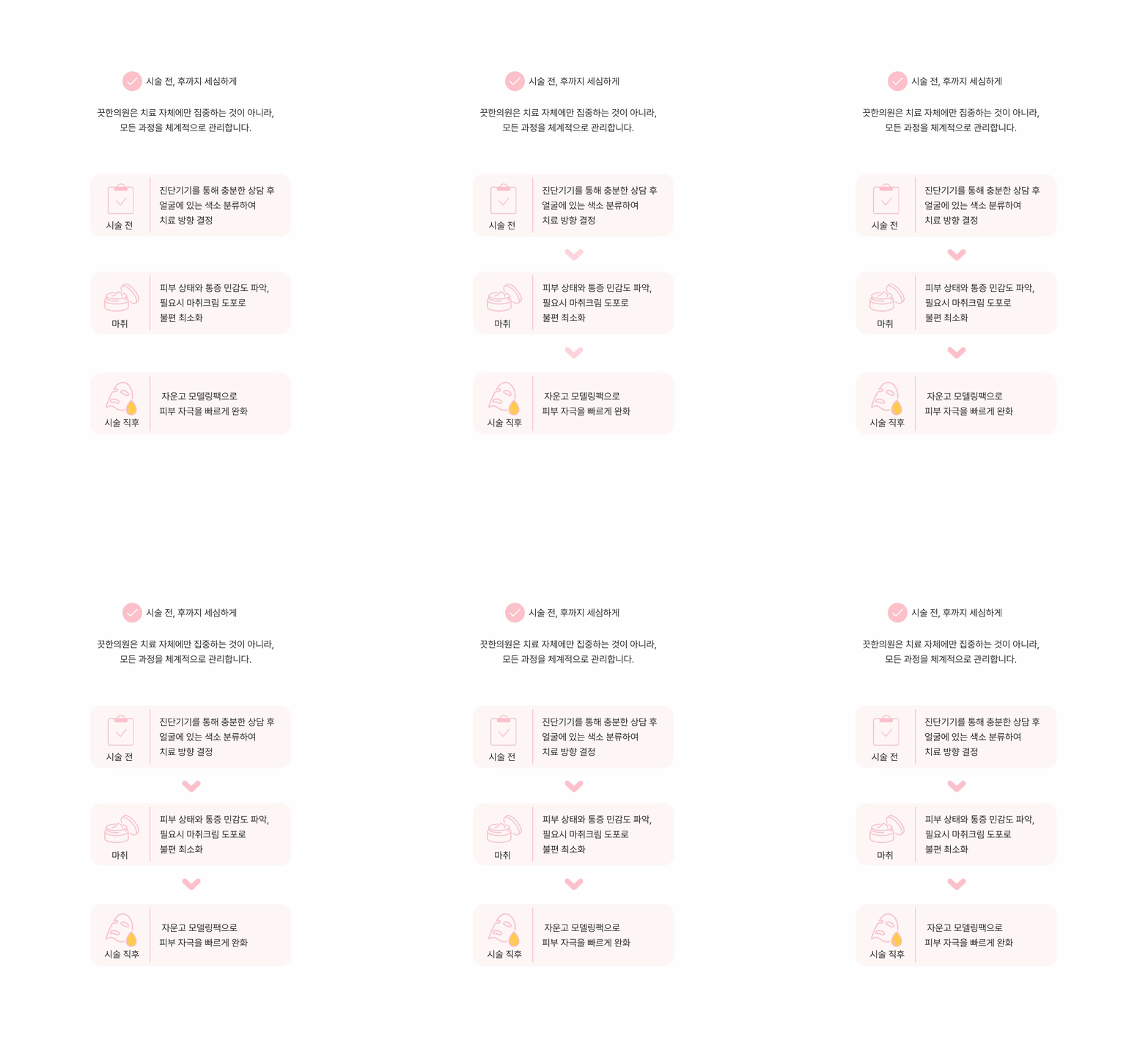
From consultation to treatment and post-care, we create a personalized plan for each patient and explain it in detail. This also allows us to meticulously monitor changes in the patient's skin condition.
Through this, we enhance the precision of our treatments and pursue genuine medical care rather than perfunctory consultations.
We strive to secure sufficient consultation time to focus on each patient's skin.
Laser Settings Customized to Each Patient's Skin Characteristics
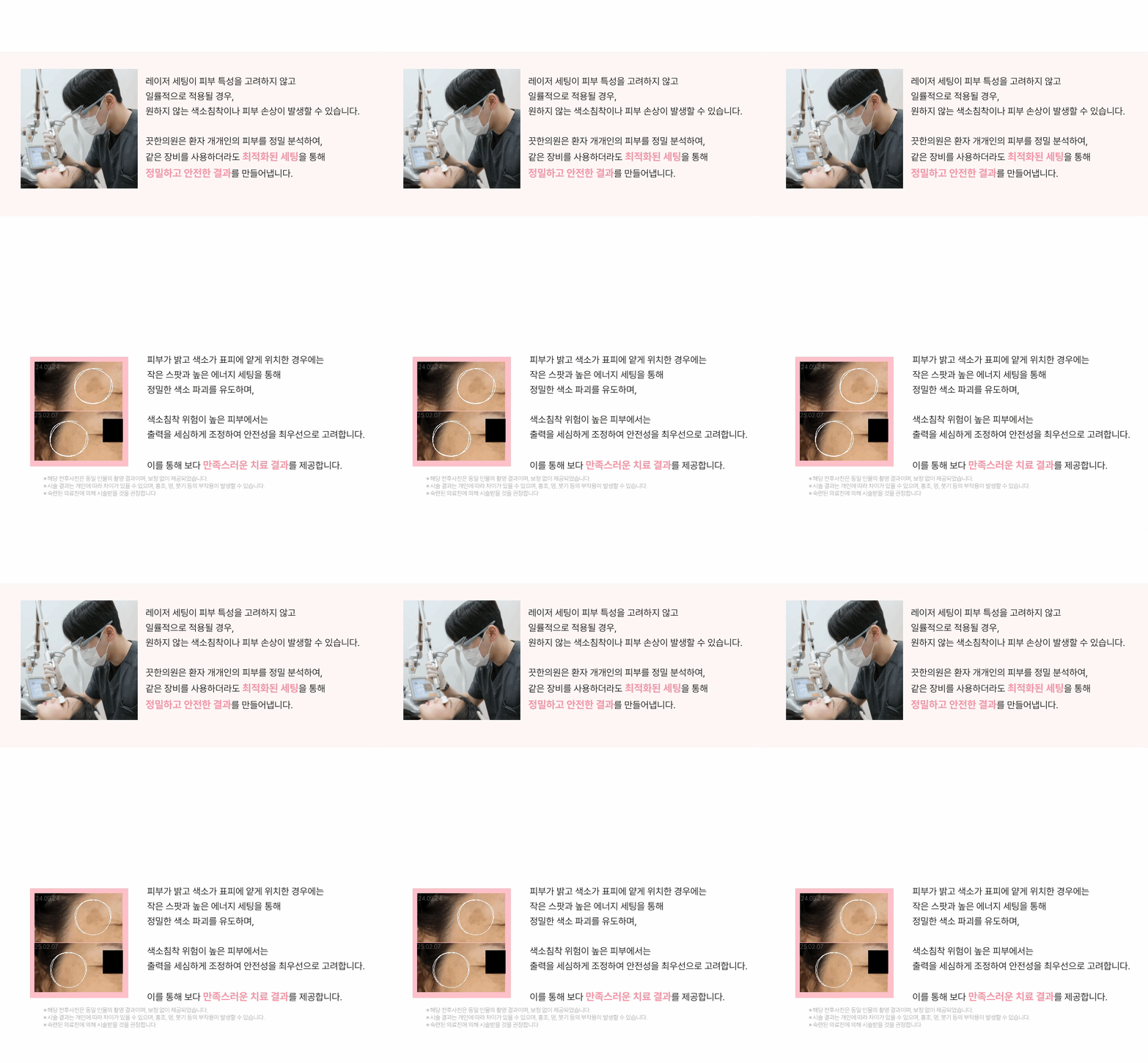
We comprehensively assess your skin tone, the size and depth of the lesion, and your skin's reaction to adjust laser settings such as spot size, pulse energy, and fluence.
For instance, for individuals with fair skin and shallow pigmentation, precise treatment is possible with a small spot size and high energy. For skin prone to hyperpigmentation, we can reduce the recovery burden by adjusting the output.
This meticulous customization is a crucial factor that enhances the precision of the treatment and allows for expectations of good results, even when using the same laser equipment.
This is an important aspect of our medical care.
Individualized Post-Treatment Skin Recovery Management
While 532nm laser treatment is expected to deliver quick results, small scabs may form or the skin may temporarily redden afterward. Therefore, regenerative care and UV protection are essential.
Each patient may experience different levels of pain during 532nm laser or secondary Erbium YAG laser treatments. Accordingly, the use of anesthetic cream is decided during pre-consultation, and after treatment, we soothe the skin with cooling and calming packs.
We provide DuoDERM to aid in rapid recovery and protect the treated area from UV radiation.
Treatment Plan Encompassing Overall Pigmentation Concerns, Not Just Lentigo
It is common for patients visiting for lentigo treatment to also have dermal pigmentation lesions like melasma simultaneously.
While treating only lentigo is possible, many patients wish to improve the overall mottled pigmentation spread across their skin.
Therefore, through thorough consultation with the patient and analysis using diagnostic devices, we classify the types of pigmentation on the face. Then, we discuss and determine the treatment direction – whether to focus primarily on epidermal pigmentation or to pursue overall pigment improvement simultaneously.
Through this process, we aim to help patients achieve an overall brighter and clearer skin tone.
Reasons Why Lentigo Occurs
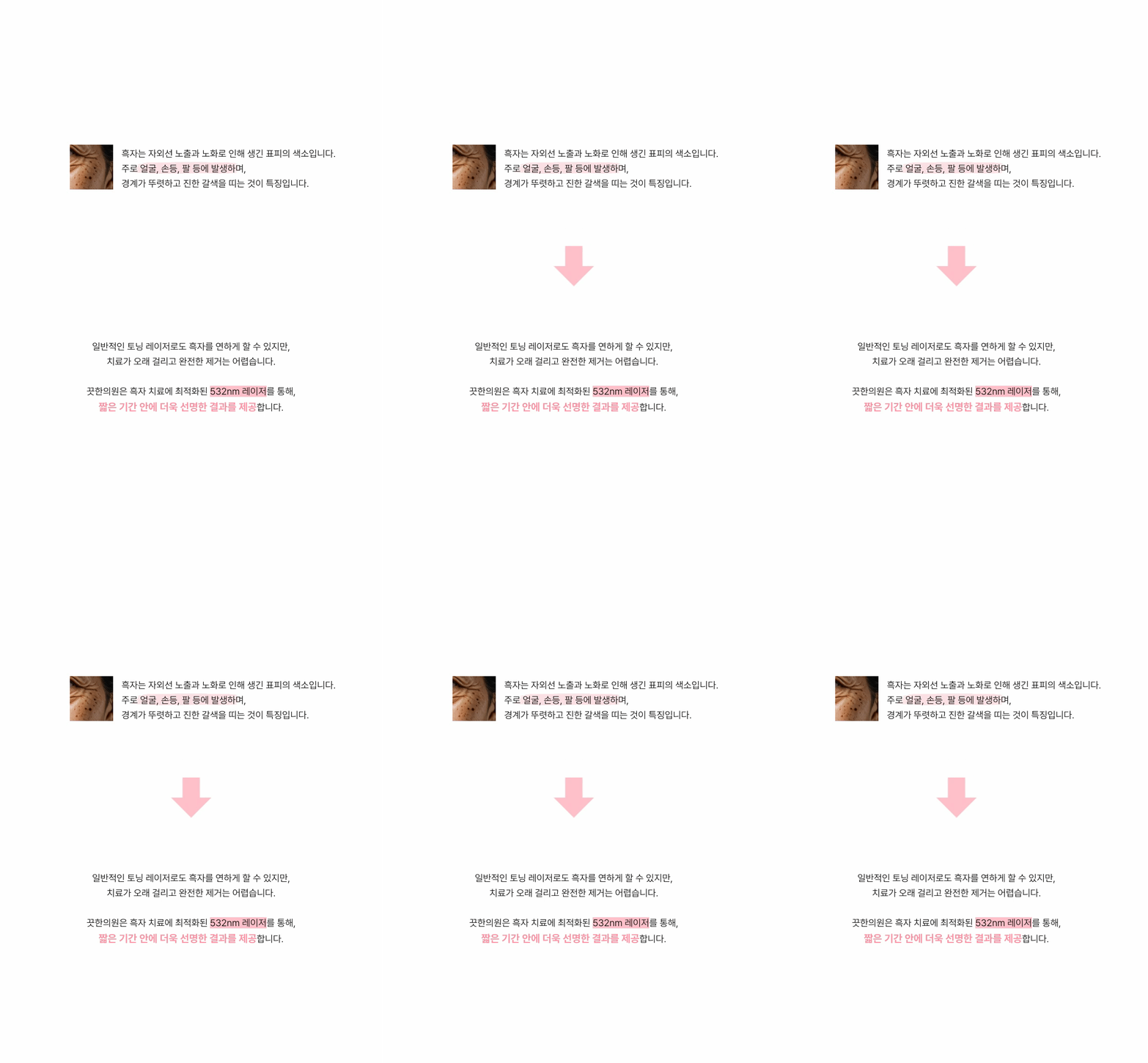
Solar lentigo is known as a flat, brown pigmented lesion that primarily results from a combination of UV exposure and the skin's aging process.
This refers to a condition where melanocytes become excessively active, leading to an over-accumulation of melanin pigment in specific areas.
Continuous exposure to UV radiation causes melanin production to persist without stopping.
As time passes, if the skin's regenerative capacity and pigment processing function decline, lentigo lesions can become darker and spread over a wider area.
They typically occur on the face, back of the hands, and arms, usually appearing as distinct, dark brown spots.
Where Lentigo Lesions Primarily Occur
Solar lentigo tends to be confined primarily to the epidermis, the outermost layer of the skin.
Specifically, melanocytes located in the basal layer of the epidermis become excessively activated due to UV stimulation,
leading to a concentrated accumulation of melanin pigment in specific areas.
From a histopathological perspective, lentigo is characterized by an excessive deposition of melanin within the epidermal layer, without invading the dermal layer.
They can be observed forming relatively clear boundaries with the surrounding normal skin tissue.
Thanks to these characteristics, lentigo lesions can respond well to treatments that primarily target the epidermal layer, such as Q-switched 532nm lasers.
Lentigines located near the epidermis are distinct from melasma or lesions with various pigments deeply seated in the dermis.
Characteristics of the 532nm Wavelength
The 532nm wavelength belongs to the green spectrum and is well-absorbed by melanin pigment. This wavelength can be selectively used to treat pigmented lesions located primarily in the epidermal layer of the skin.
Most 532nm laser treatments are performed using a Q-switched method. This method is designed to instantaneously emit high-power energy for a brief period, mere nanoseconds, selectively destroying pigment particles while minimizing damage to surrounding tissues.
When this short pulse energy is absorbed by melanin pigment, it transforms into thermal energy. This triggers a photomechanical effect, causing the melanin particles to break down into tiny fragments.
Some of these fragmented pigments may appear as small scabs and naturally fall off. The remaining pigment fragments can be processed by macrophages and eliminated from the body through lymphatic circulation.
As the destroyed pigment gradually disappears through this process, you can expect the noticeable lentigo lesions to lighten in color or improve overall.
Lentigo Removal Treatment
While lasers can be used as one of the effective methods for lentigo treatment,
the positive outcomes of the treatment are not solely determined by selecting a specific wavelength.
An accurate diagnosis of each individual's lentigo condition and a comprehensive treatment plan that considers appropriate customized settings must be established.
To help you achieve better treatment results through this process, our medical team will be dedicated to assisting you.
Laser Treatment Process
첫 상담부터 마무리까지의 실제 진행 순서를 확인하세요.
- 01
Before the procedure, perform a personal cleansing to thoroughly clean the skin surface.
- 02
The patient's skin condition is thoroughly diagnosed using the Mark-Vu device.
- 03
A personalized consultation with the medical staff follows, based on individual skin characteristics and desired outcomes.
- 04
After adjusting the laser settings according to each patient's individual skin condition, the procedure begins.
- 05
The procedure concludes with the application of a regenerative cream to aid in skin recovery and protection of the treated area.
시술 기본정보
시술 시간, 마취, 회복, 유지기간을 한 번에 확인하세요.
TIME
10-15 minutes per area
ANESTHESIA
No anesthesia
RECOVERY
Immediate return to daily life
Ideal For
One Fine Difference makes real results.
- KKEUT POINT 01
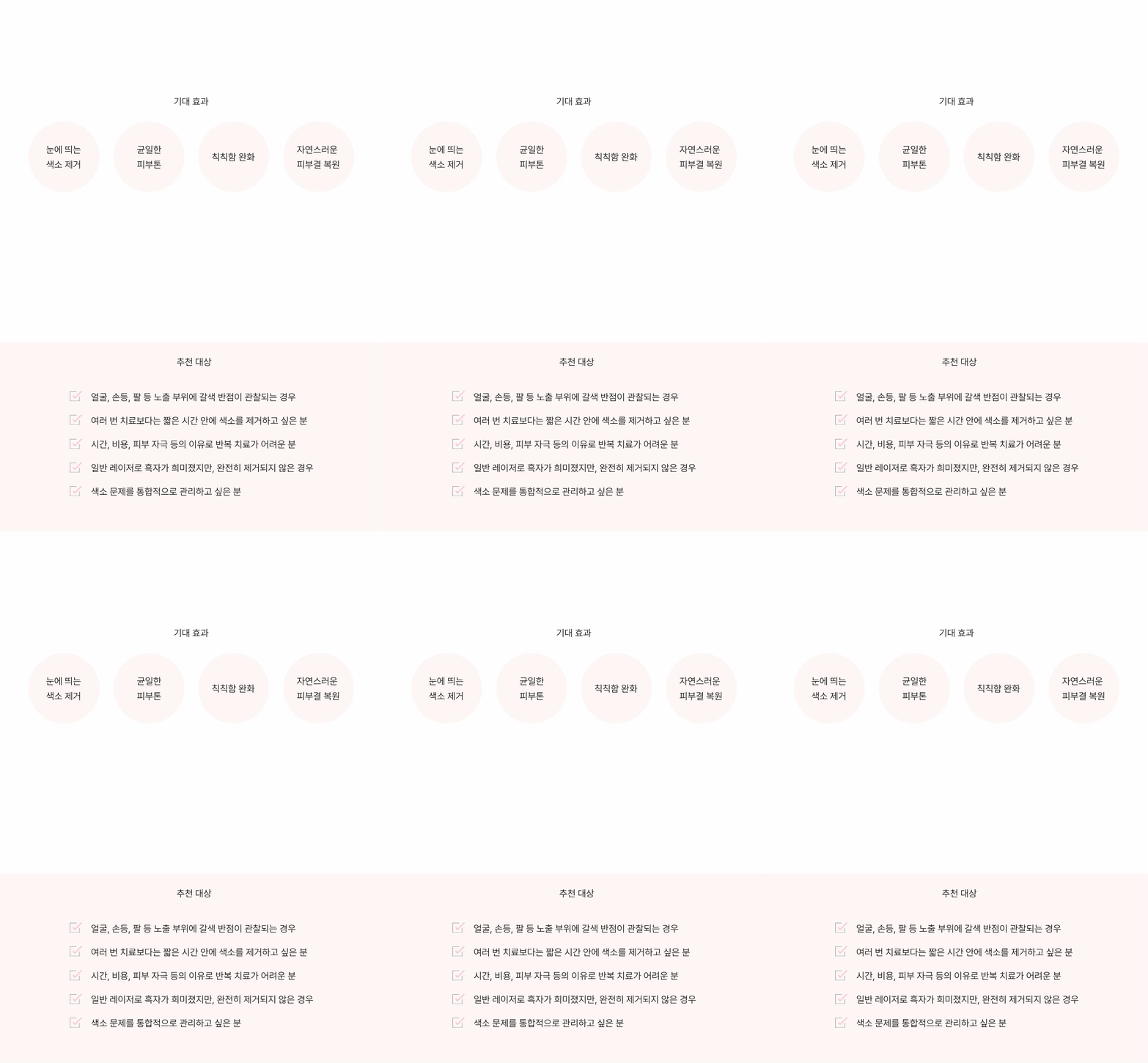
This may be considered by individuals who have previously undergone laser treatment but have not experienced satisfactory changes for lentigo lesions.
- KKEUT POINT 02
It may be suitable for those who expect a visible change in the appearance of lentigo areas within a short period.
Q&A
고객님들이 가장 많이 물어보시는 내용을 모았습니다.
What is the usual frequency for laser treatments?

Considering the skin's natural regeneration cycle and efficient melanin pigment expulsion, treatments are often recommended every 3 to 4 weeks. However, the treatment frequency may be adjusted depending on the patient's skin reaction or the characteristics of the lentigines.
Cautions
Results = Treatment × Aftercare. Please follow the notes below.
To minimize the possibility of post-procedure hyperpigmentation, it is important to consistently apply sunscreen when going out and to avoid direct, strong sun exposure.
To avoid skin irritation in the treated area, please refrain from using exfoliating ingredients or peeling products for approximately one week after the procedure.
To reduce the risk of inflammation during the skin recovery process, it is recommended to avoid alcohol, smoking, saunas that generate excessive heat, and strenuous exercise for approximately one week after the procedure.